The Augmented Polymath: How AI Democratizes Scientific Breakthroughs
For centuries, monumental scientific breakthroughs belonged exclusively to the best-funded institutions. If you wanted to discover a life-saving drug or synthesize a novel material, you needed an army of PhDs, a sprawling laboratory, and millions in venture capital. Big Pharma and massive academic conglomerates held a monopoly on progress. Today, that monopoly is quietly dissolving, paving the way for the age of the augmented polymath.
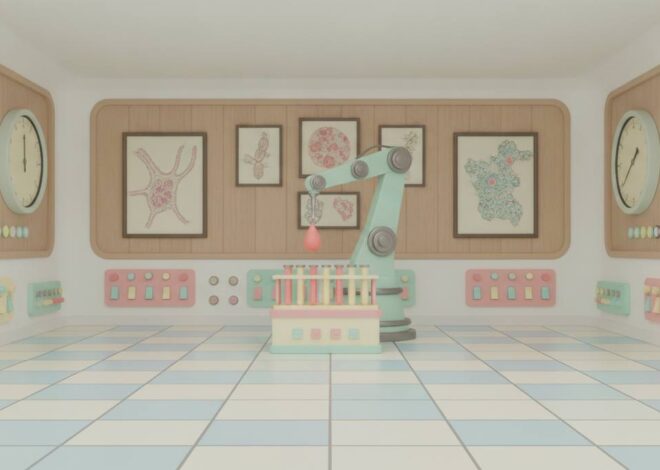
The catalyst for this shift is not just generative text, but Artificial Intelligence for Science. Tools that predict protein folding, simulate molecular dynamics, and optimize chemical synthesis have transformed from academic curiosities into hyper-capable research partners. Combined with automated cloud laboratories that execute physical experiments via API, a single individual can now ideate, test, and iterate at a scale that once required an entire department.
Consider the traditional bottleneck of drug discovery. Researchers would spend decades testing thousands of compounds through trial and error. Modern AI models can screen billions of virtual candidates in hours, flagging high-probability hits with astonishing accuracy. When paired with remote robotic labs that synthesize these molecules overnight, the feedback loop of the scientific method shrinks from months to days.
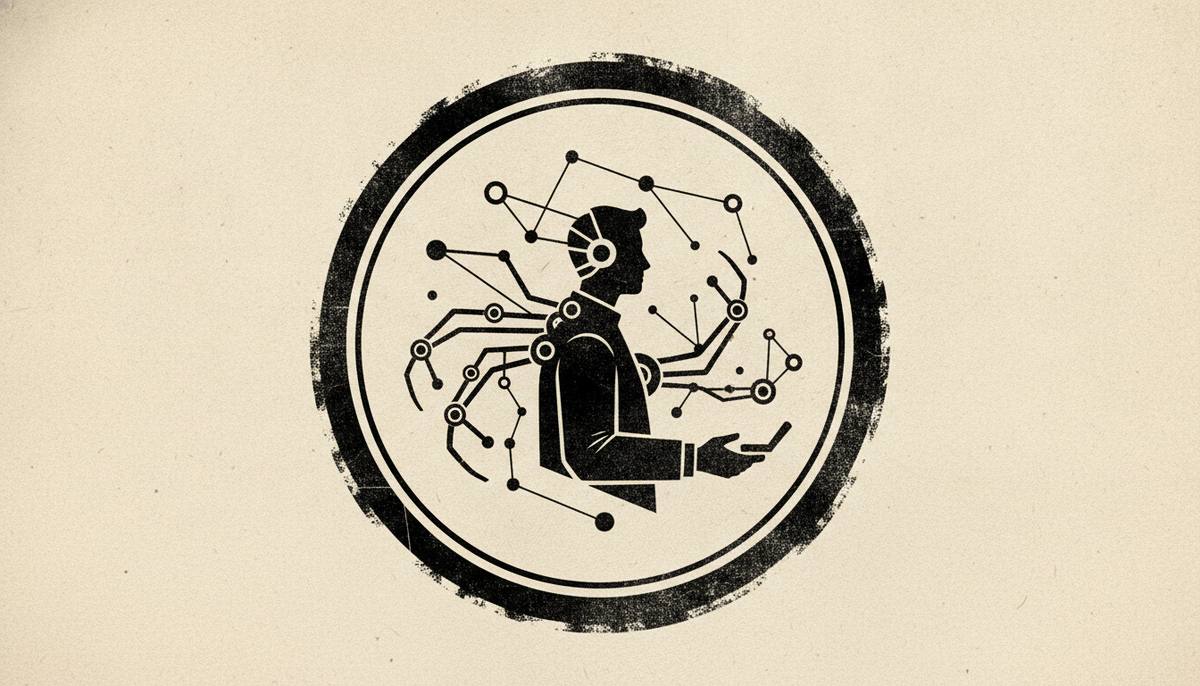
This technological convergence empowers the solo researcher and the lean startup. You no longer need to be a specialist trapped in a narrow silo of a massive organization. Instead, the modern practitioner can wear many hats—acting as data scientist, domain expert, and chief architect all at once. By leveraging AI to bridge the gaps in their knowledge and handle heavy computational lifting, individuals can synthesize insights across disparate fields just like the classical polymaths of history.
We are witnessing the democratization of empirical discovery. When the tools of invention become universally accessible, innovation shifts from institutional budgets to individual ingenuity. The next cure for a rare disease or breakthrough in clean energy might not come from a gleaming corporate campus, but from a lone visionary operating a laptop and a cloud-connected lab. The playing field is finally leveling.
Ready to build the future of science? Explore Artilecto and discover how AI-driven tools are empowering independent researchers to achieve the impossible.