
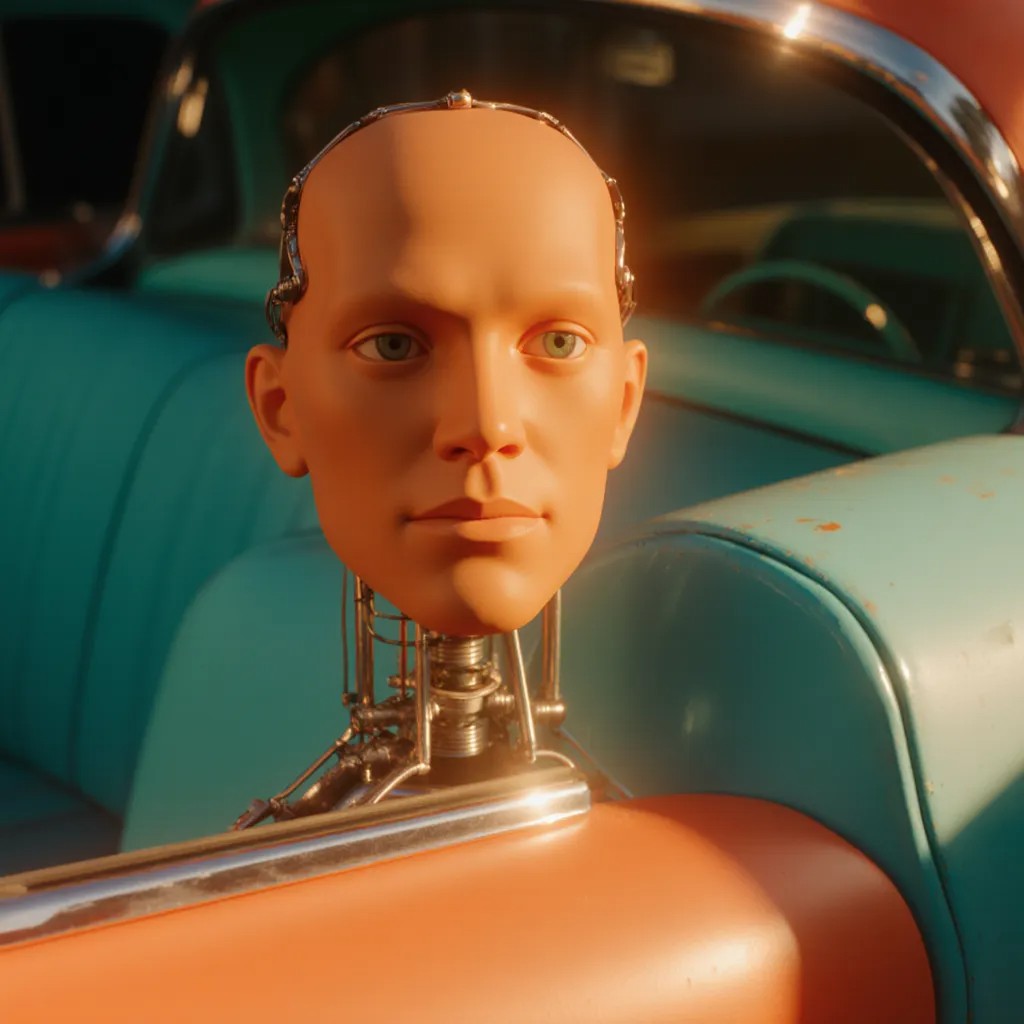
Why the World’s Biggest Companies Are Secretly Replacing Their CEOs With AI Systems
Something quietly extraordinary is happening inside the glass towers of corporate America. While shareholders debate quarterly earnings and boards approve strategic roadmaps, a different kind of executive is increasingly making the calls. It doesn’t sleep, doesn’t negotiate a compensation package, and never books a corner office. It runs on data, algorithms, and machine learning models that process more information before breakfast than most humans consume in a lifetime.
Welcome to the age of the AI executive.
Several Fortune 500 companies are already deploying AI systems in roles that shadow or directly influence C-suite decisions. One senior operations director at a major retail conglomerate, speaking anonymously, described their internal AI platform as “essentially our silent COO.” The system analyzes supply chain disruptions, competitor pricing, and consumer behavior in real time, generating strategic recommendations that leadership rarely overrides.
This isn’t science fiction. It’s boardroom reality.
A financial services firm in New York recently piloted an AI decision-engine that outperformed its human leadership team in risk assessment scenarios by a reported 34 percent. Another technology company in Silicon Valley admitted, off the record, that its AI tools had effectively replaced an entire layer of middle and upper management over 18 months. Headcount dropped. Profits climbed. Nobody announced it publicly.
The pattern is consistent. Companies aren’t advertising these transitions because the optics are complicated. Customers want to believe a human being is steering the ship. Employees want accountability from a person, not a platform. Regulators aren’t yet sure what to do with an algorithm sitting at the head of the table.
But the ethical questions are piling up fast.
Who is responsible when an AI-driven strategy causes mass layoffs or a product failure? If a machine recommends a decision and a human simply approves it, where does genuine leadership begin? Critics argue that stripping human judgment from executive roles removes the empathy, moral reasoning, and creative intuition that define great leadership. Proponents counter that human executives are already compromised by ego, bias, and short-term thinking, and that AI simply corrects for those flaws.
Dr. Priya Anand, a researcher studying AI governance at a prominent business school, framed it bluntly in a recent conversation: “We’ve spent decades arguing about what makes a great CEO. Now we’re discovering that many of those qualities can be approximated or even surpassed by systems that don’t have careers to protect.”
The uncomfortable truth is that this trend won’t reverse. The competitive advantage of AI-assisted or AI-led decision-making is too significant for corporations to ignore. The question isn’t whether AI will take a seat at the executive table. It already has. The real question is how much of the table it will eventually own.
For business leaders watching this unfold from the outside, the lesson is clear. Organizations that understand how to integrate AI into their strategic decision-making frameworks will not just survive this shift. They’ll define what leadership means in the next decade.
If you’re ready to explore how artificial intelligence can transform your organization’s agility and decision-making power, subscribe to the Exponential Agility newsletter and join the conversation shaping the future of business leadership.

Related Posts

People Of The Rain.

People Of The Rain.