The AI-First Business Model: A Roadmap for CEOs
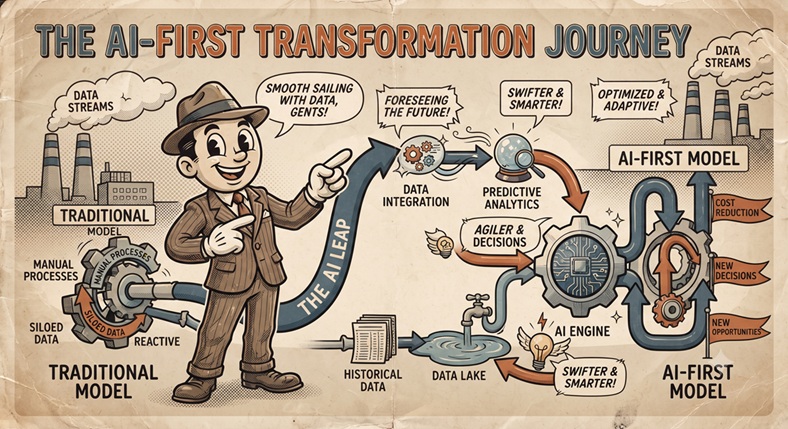
The era of digital transformation is officially over, replaced by the age of AI-first operations. For legacy businesses, this shift is not merely about adopting new software tools; it is about fundamentally re-engineering how your organization creates value, manages data, and interacts with customers. Transitioning to an AI-first model requires a strategic roadmap that prioritizes long-term resilience over short-term efficiency gains.
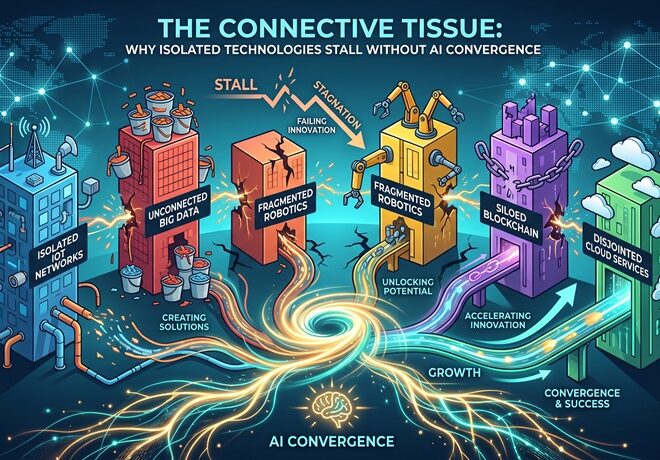
The first phase of this transition is data maturity. AI is only as powerful as the information it consumes. Legacy organizations often suffer from fragmented data silos that prevent a holistic view of the business. CEOs must treat data as a strategic asset, investing in clean, accessible, and secure data architecture. Without a unified data foundation, your AI initiatives will remain localized experiments rather than enterprise-wide advantages.
The second phase involves cultural alignment. An AI-first business model requires a workforce that understands how to collaborate with intelligent systems. This does not mean replacing human expertise; it means augmenting it. Leadership must foster an environment of experimentation where employees are encouraged to use AI to eliminate mundane tasks and focus on high-value problem solving. Transparency is vital here; clearly communicate that AI is a tool for empowerment, not a replacement for talent.
The third phase is the integration of AI into the product or service lifecycle. This is where the shift from traditional business to AI-first truly takes hold. Instead of bolting AI onto existing processes, begin to rebuild workflows around machine learning capabilities. Whether it is predictive maintenance, personalized customer journeys, or automated supply chain logistics, the goal is to create feedback loops where the system learns and improves with every interaction.
The final phase is governance and ethics. As AI becomes the engine of your business, the risks associated with bias, security, and compliance grow exponentially. Establishing a robust AI governance framework is not a bureaucratic hurdle; it is a competitive necessity. CEOs must ensure that their AI implementations are transparent, explainable, and aligned with the company core values.
Transitioning to an AI-first model is a marathon, not a sprint. It demands bold vision, disciplined execution, and a willingness to dismantle outdated legacy practices. However, the cost of inaction is far greater than the effort required to evolve. By focusing on data integrity, human-centric design, and ethical deployment, traditional businesses can secure their future in an increasingly automated economy.
Are you ready to lead your company into the next era of growth? Contact Artilecto today to schedule a strategic assessment and begin your transformation journey.