Decoding Life: How AI and Biotech Are Reversing Aging
For centuries, aging was considered an immutable law of nature. We accepted the gradual decline of our bodies as the inevitable cost of living. Today, that paradigm is shattering. At the cutting-edge intersection of generative artificial intelligence and biotechnology, scientists are not just studying aging—they are treating it as a curable disease.
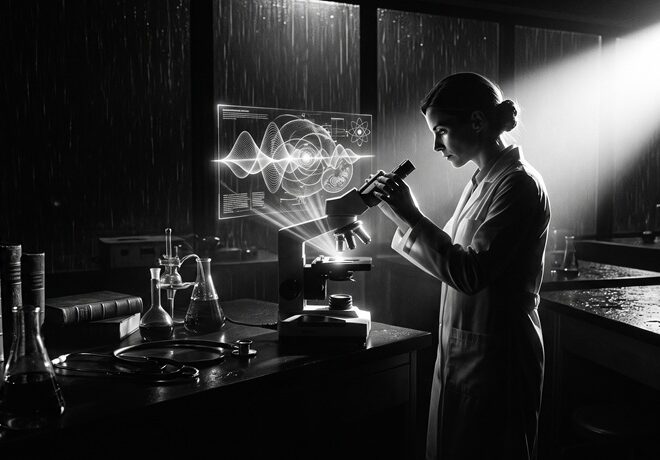
At the heart of this revolution is cellular reprogramming. Researchers use specific molecular factors to reset the biological clock of aged cells, effectively wiping away cellular damage and restoring them to a youthful, pluripotent state. However, identifying the exact combination and dosage of these factors is a needle-in-a-haystack problem that would take human researchers millennia to solve. Enter generative AI. By analyzing massive genomic and proteomic datasets, machine learning models can predict and design novel proteins that optimize cellular rejuvenation with unprecedented precision.
AI algorithms are accelerating drug discovery from decades to mere weeks. They simulate how millions of molecules interact with biological pathways, identifying senescent cells—the toxic zombie cells that accumulate with age and cause inflammation—and targeting them for destruction. What was once science fiction is rapidly becoming clinical reality.
Yet, the implications of extending human healthspan stretch far beyond the laboratory. If we add decades of healthy, disease-free life to the average human lifespan, global economic and social structures will face a profound transformation. Traditional retirement models will collapse and be replaced by multi-stage lives where individuals pursue multiple careers, education cycles, and periods of rest across a century of vitality. Healthcare systems could shift their focus from managing chronic end-of-life illnesses to preventative maintenance, drastically reducing economic burdens.
Naturally, these breakthroughs also raise critical ethical questions. Will these revolutionary therapies be accessible to all, or will they create a biological divide between the ultra-wealthy and the rest of society? Ensuring equitable distribution must run parallel to scientific innovation.
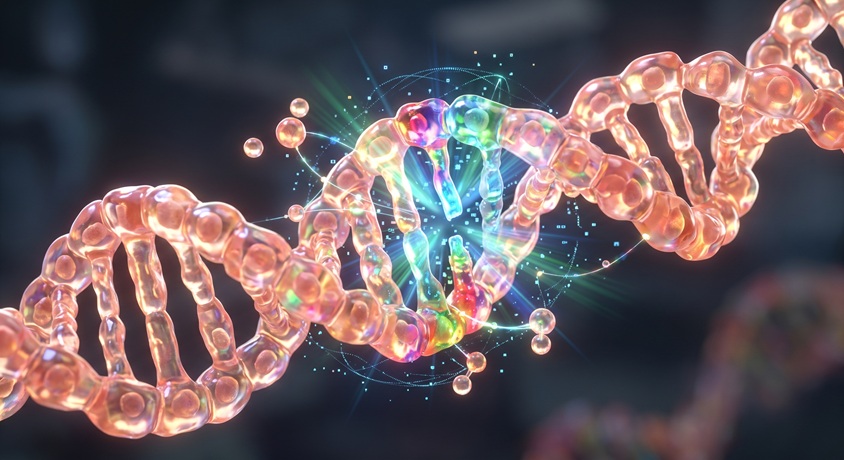
We are standing on the precipice of a post-aging world. As algorithms decode the language of our DNA, we are rewriting the human story. Aging is no longer a mystery we must endure, but a code we can finally hack.
What are your thoughts on the future of human longevity? Share your perspective in the comments below.

Related Posts

People Of The Rain.

People Of The Rain.