The Ethics of Bio-Compute: Governing the Wetware Frontier
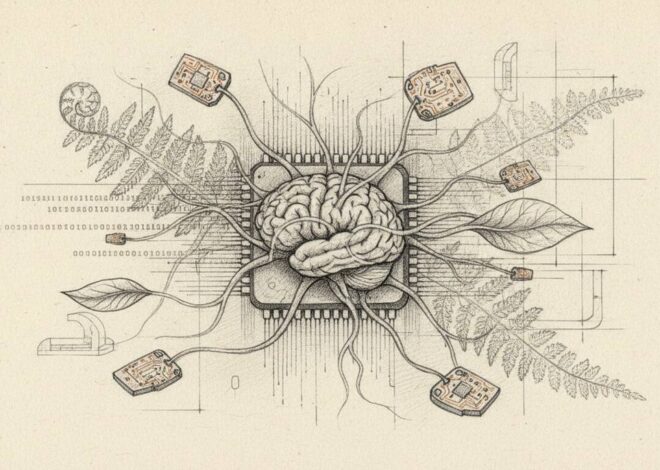
We stand at the precipice of a profound technological shift. Traditional silicon is hitting physical limits, and the computing industry is looking to biology for the next leap forward. Bio-compute, the integration of living neural tissues and human brain organoids into artificial intelligence architectures, is no longer science fiction. It is a rapidly advancing reality. Yet, as we merge wetware with algorithms, we plunge headfirst into a philosophical and regulatory vacuum.
The primary blind spot in current tech governance is the moral status of bio-hybrid systems. Silicon does not suffer, nor does it possess subjective experience. Living neuronal networks, however, operate on a continuum of biological sentience. As these organoid-driven systems scale in complexity and processing power, we must confront deeply uncomfortable questions. At what point does pattern recognition cross the threshold into perception? If a bio-compute cluster exhibits rudimentary learning or adaptive stress responses, do we have an ethical obligation to ensure its welfare?
Current regulatory frameworks are entirely unequipped for this reality. Existing institutional review boards govern clinical trials and animal testing, but they lack the jurisdiction and conceptual tools for synthetic wetware. We cannot apply standard software copyright laws to living code that grows, adapts, and potentially experiences states akin to fatigue or distress. A new governance model is urgently required to prevent a gold rush mentality from overriding basic ethical boundaries.
To responsibly scale bio-compute, we propose a three-tiered framework. First, we need mandatory sentience audits for any biological computing architecture exceeding specific neural density thresholds. Second, we must establish strict provenance and consent protocols for human-derived cellular material, ensuring donors understand how their biology might be operationalized. Finally, an international moratorium on autonomous wetware self-replication is essential until safety guardrails are universally ratified.
The convergence of biology and computation offers boundless potential for solving humanity’s most complex challenges. But innovation without a moral compass is merely sophisticated destruction. By establishing proactive governance today, we can harness the power of the wetware frontier without losing our humanity in the process.