Securing the Smart Grid: AI vs. AI in Urban Energy Defense
Modern urban infrastructure depends on the seamless flow of electricity across vast, decentralized networks. As cities transition toward smart grids powered by microgrids and renewable energy sources, the attack surface for malicious actors expands exponentially. Traditional Network Operations Centers and Security Operations Centers can no longer rely on human analysts alone to manage the sheer volume of telemetry data and threats. The complexity of today energy grid demands a new paradigm of defense, where autonomous systems protect critical infrastructure in real time.
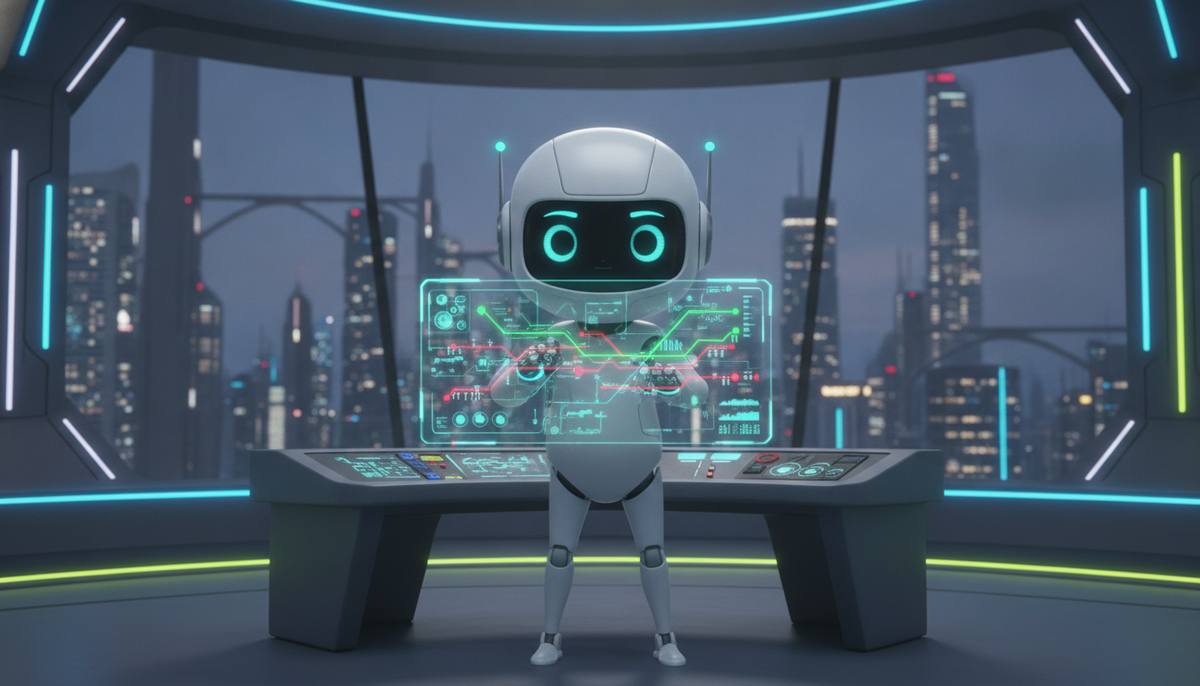
At the core of this modern defensive strategy is the convergence of NOC and SOC operations. Traditionally, network availability and cybersecurity existed in separate silos. Today, a disruption in power delivery is just as likely to stem from a sophisticated cyberattack as it is from a physical equipment failure. By merging these two critical functions, utilities gain a holistic view of grid health. Autonomous algorithms monitor every node, substation, and smart meter simultaneously, correlating physical grid performance with network traffic patterns to detect anomalies before they cause widespread blackouts.
However, the adversaries targeting urban energy grids are also leveraging advanced technology. Coordinated adversarial AI attacks can mimic legitimate power demand spikes, launch distributed denial of service campaigns against grid management software, or subtly manipulate sensor data to cause cascading equipment failures. These machine learning driven threats adapt in milliseconds, probing for vulnerabilities across thousands of decentralized microgrids. Against such dynamic and automated adversaries, human response times are simply too slow.
This reality has ushered in an era of machine speed warfare, where AI fights AI to secure the grid. Defensive algorithms deployed within the converged NOC and SOC continuously train on synthetic threat scenarios, learning to predict and neutralize malicious payloads without human intervention. When an adversarial AI attempts to infiltrate a microgrid control system, the defensive agent isolates the compromised segment, reroutes power autonomously, and neutralizes the threat vector in fractions of a second. This continuous feedback loop ensures that the urban energy grid remains resilient even under sustained, highly sophisticated cyber assaults.
Securing the future of urban energy requires embracing this autonomous defense model. As smart grids grow more complex and threats become more automated, utilities must integrate AI driven NOC and SOC convergence to safeguard critical infrastructure.
Are you ready to fortify your urban energy infrastructure against next generation cyber threats? Contact Artilecto today to discover how our AI driven security solutions can protect your smart grid.