AI Is Now Diagnosing Cancer Better Than Top Doctors — Patients Are Demanding Access
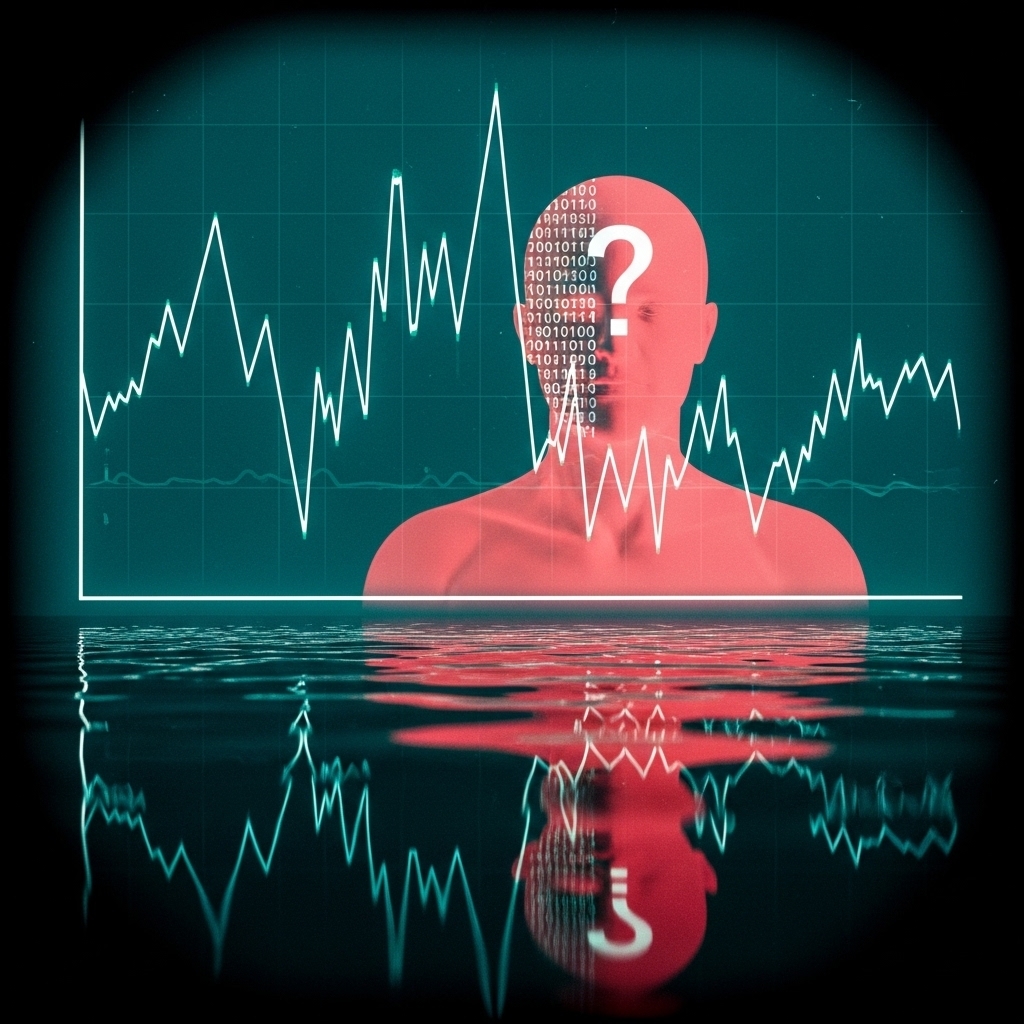
Something remarkable is happening in oncology labs and hospitals around the world. Artificial intelligence systems are consistently outperforming experienced human oncologists at detecting certain cancers, and patients are starting to ask a very reasonable question: why can’t we use it?
The evidence is hard to ignore. Google’s DeepMind and similar AI platforms have demonstrated the ability to detect breast cancer from mammograms with greater accuracy than radiologists, reducing both false positives and dangerous misses. Studies published in Nature and The Lancet show AI tools identifying lung, skin, and colorectal cancers at earlier stages than traditional diagnostic methods. Earlier detection means more treatment options, better survival rates, and lower healthcare costs. The math is straightforward.
So what’s the problem? Why aren’t these tools in every hospital today?
The answer involves a complicated mix of regulatory caution, institutional resistance, and legitimate ethical concerns. The FDA has approved dozens of AI-assisted diagnostic tools, but full clinical integration moves slowly. Hospitals must navigate liability questions, staff retraining costs, and workflow disruption. Many oncologists, understandably, are uncomfortable with the idea of a machine overruling their clinical judgment, even when the data suggests it should.
The medical community’s response has been mixed. Some forward-thinking oncologists embrace AI as a powerful second opinion, a tireless colleague that never gets fatigued and doesn’t anchor on first impressions. Others worry about over-reliance, arguing that AI systems trained on specific datasets may perform poorly across diverse patient populations. That concern is valid. Several studies have revealed racial and demographic bias in diagnostic AI, meaning a tool trained predominantly on data from one population can underperform for another. Equity in access and accuracy must be part of the conversation.
Patient advocacy groups are growing louder. People diagnosed with aggressive cancers aren’t interested in waiting for bureaucratic timelines to catch up with available technology. They want access now, and they’re making that case to lawmakers, hospital boards, and insurers. Some patients are even traveling internationally to access AI diagnostic services not yet available in their home countries.
The ethical issues extend beyond access. Who is responsible when an AI misdiagnoses a patient? How do we ensure transparency in how these systems reach their conclusions? Can patients consent to AI-assisted diagnosis in a meaningful way if they don’t understand how the technology works? These aren’t hypothetical questions. They’re being debated in hospital ethics committees and government hearings right now.
What’s clear is that AI diagnostic tools represent a genuine leap forward in medicine’s ability to detect cancer earlier and more accurately. The technology isn’t perfect, but neither are human doctors. The real question isn’t whether AI belongs in oncology. It’s how we deploy it responsibly, equitably, and quickly enough to actually save lives.
The patients sitting in waiting rooms today can’t afford to wait another decade for the healthcare system to get comfortable.
Exponential Agility exists to help leaders navigate exactly these kinds of technological inflection points. If your organization is working through AI adoption decisions in high-stakes environments, let’s talk about how to move forward with both speed and integrity.